Posts

Hemorrhoids: Types, Causes, and Treatment Options
Image
Hemorrhoids are collections of swollen or dilated blood vessels that develop in the anus or reduced rectal region. They are also known as heaps. Hemorrhoids may occasionally enlarge due to vein expansion, thickening the walls of the hemorrhoids and causing bleeding. According to studies, around 3 out of 4 people experience pain and soreness related to piles at some point throughout their lives. Types of Hemorrhoids Include: Internal Hemorrhoids:   The rectum is where these hemorrhoids widen. Usually, they no longer produce pain and soreness. Except when they significantly enlarge, they are invisible. Their presence will be most noticeable when there is straining or irritation when stools are passed, which causes symptoms such Continuous, painless bleeding during bowel movements A hemorrhagic prolapse via the anal region causes pain and irritation. External Hemorrhoids: External hemorrhoids treatment These hemorrhoids broaden below the pores and skin across the anal vicinity and de...

Why Laparoscopic Cholecystectomy is the Best Treatment for Gallstones?

Image
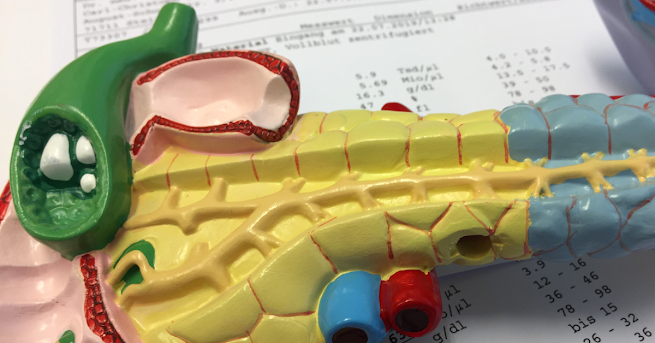
What is referred to as laparoscopic cholecystectomy? With a laparoscopic cholecystectomy, your gallbladder is taken out. A few small cuts are made on the right side of your abdomen by the doctor (belly). A laparoscope is a thin tube with a camera on the end that the surgeon puts in through one cut. This shows on a screen where your gallbladder is. The gallbladder is then taken out through a small cut in the abdomen. Less damage is done during a laparoscopic cholecystectomy than during an open cholecystectomy. This other way to get rid of the gallbladder involves making a bigger cut. What is gallbladder? The gallbladder is an organ that looks like a small pear and is about the same size. It stores something called bile that the liver makes. It stores bile until the body needs it to break down fats. The signs that indicate gallbladder abnormalities are: Here are some signs that something is wrong with your gallbladder and you might need a cholecystectomy: Bloating:  If your gallbladd...

The Reasons Why Diabetic Foot Ulcer Should Never Be Ignored

Image
What is a Diabetic Foot Ulcer? A diabetic foot ulcer can appear as open sores or as redness over a bony area. Your foot or toes may develop an ulcer anywhere. Typically, ulcers form on the bottom of the foot. It's possible that you won't realize you have an ulcer until you see drainage on your sock. A fluid called drainage can be red, brown, or yellow in color. Blood or pus may also be present in the fluid. What are the Symptoms of Diabetic Foot Ulcers? Diabetic foot ulcer symptoms are comparable to those of any infection. Redness will appear in the vicinity of the wound. Additionally, those who have diabetic foot infections may feel pain or tenderness where the wound is located, and the original cut may leak. A person will start to exhibit non-local symptoms once the infection has progressed. Any number of the following could be present. Fever sweats and chills breathing difficulty nasal clogging rigid neck a fresh sore mouth It's crucial to keep in mind that the majority ...