Posts

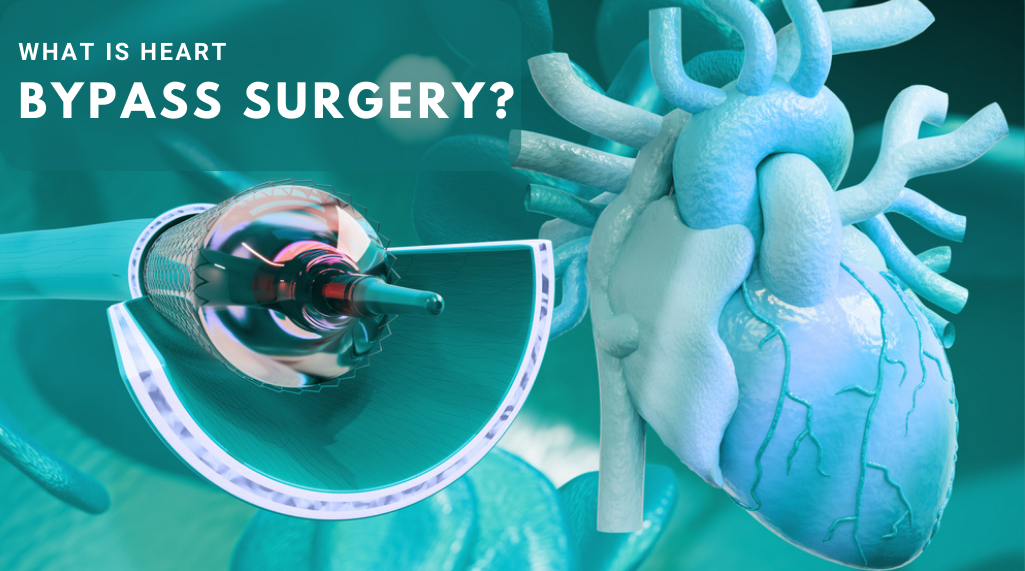
What Is Heart Bypass Surgery?
Image
In order to relieve blockages in the arteries that supply the heart muscle with oxygen-rich blood, coronary artery bypass graft surgery is performed. Chest pain or discomfort, along with other unpleasant symptoms including weariness, nausea, and dizziness, might result from a blocked heart artery. A heart attack can also be brought on by a clogged artery. A cardiac surgeon, a doctor skilled in surgical methods to address diseases affecting the heart and blood arteries, performs coronary bypass surgery, commonly known as coronary artery bypass graft surgery or "CABG" in a hospital operating room. The doctor doing the procedure may alternatively be referred to as a cardiovascular or cardiothoracic surgeon. What are the types of heart bypass surgery? Surgeons advise different kinds of bypass procedures depending on which arteries are obstructed. Single Bypass Double bypass Triple bypass Quadruple bypass- Depending on how many arteries are clogged, we are more likely to experienc...
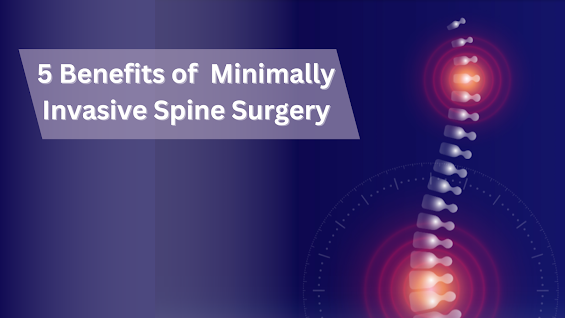
5 Benefits of Minimally Invasive Spine Surgery

Image
Minimally invasive surgery is a cutting-edge treatment in which the surgeon uses endoscopic methods to address a wide range of difficulties. MISS, or minimally invasive spine surgery, is frequently a safer procedure with reduced recovery time and higher patient satisfaction. MISS surgeries are performed as outpatient procedures under local anesthesia, with far less risks of adverse responses. Minimally invasive spine surgery makes smaller incisions than standard surgery, creating minimum injury to nearby bones, muscles, or tissues, allowing you to heal faster. There are numerous advantages to using minimally invasive procedures for spinal surgery, including: Recovery time is reduced. Smaller incisions result in better cosmetic outcomes. A shorter hospital stay Less blood loss as a result of surgery Reduced dependency on pain medications following surgery Reduced infection and postoperative pain risk Less muscle cutting reduces the possibility of muscle injury. Reduced Complication Risk...

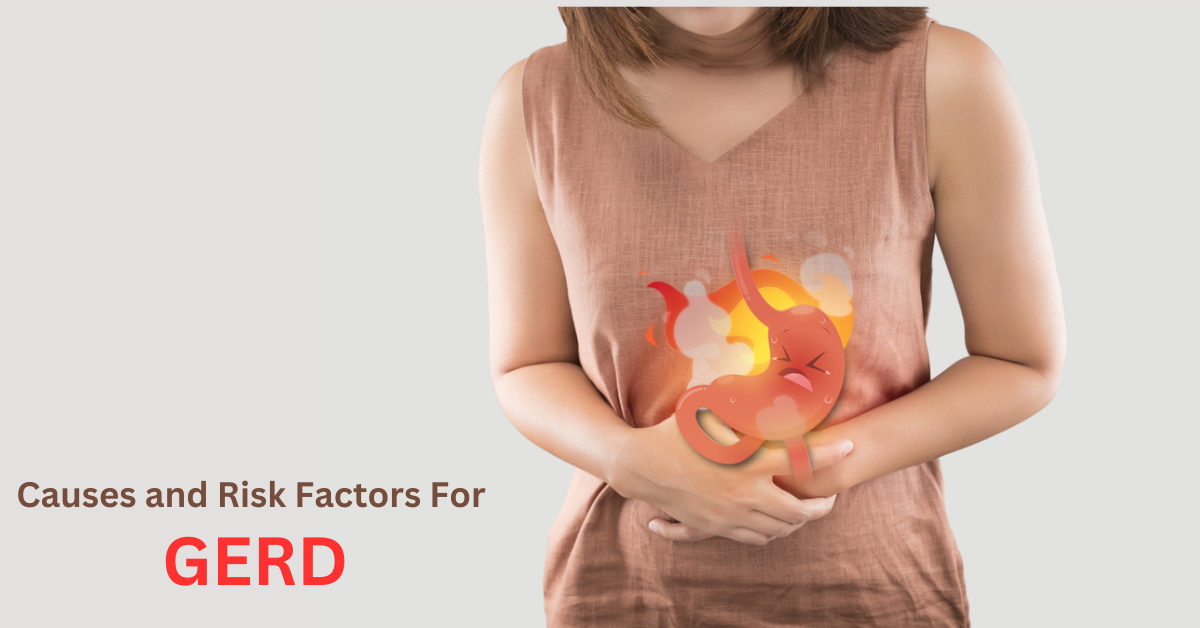
Causes And Risk Factors For GERD

Image
Acid or bile from the stomach can cause GERD when it flows back into the esophagus. This acid eats away at the lining of the esophagus over time, causing discomfort or, in rare instances, serious complications. Here is the information you need to know about the signs, causes, health risks, and available heartburn treatment for GERD. Causes for GERD Although GERD can strike at any age, the likelihood of getting it rises after the age of 40. A weak lower esophageal sphincter (LES) that insufficiently prevents stomach acid from escaping the stomach and flowing back into the esophagus is the primary cause of GERD. A hiatal hernia may also be connected to GERD because it can cause stomach acid or partially digested food to wash back into the esophagus after eating. The main factor that damages the LES is excessive eating. Stomach stretching or filling up exposes the LES to stomach contents, including acid, which harms the LES. The term "acid" reflux is used because when reflux oc...

Why does chronic kidney disease happen?

Image
Chronic kidney disease (CKD) is a condition that affects millions of people worldwide, with an estimated 10% of the global population suffering from it. CKD is a progressive and irreversible condition that affects the kidneys' ability to filter waste products from the blood effectively. In this article, we will explore the various factors that contribute to the development of chronic kidney disease. The kidneys are vital organs that perform several essential functions in the body, including filtering waste products from the blood, regulating fluid balance, and producing hormones that regulate blood pressure and red blood cell production. CKD occurs when the kidneys are damaged or unable to function correctly, leading to the accumulation of waste products and fluid in the body, and other complications. Causes of Chronic Kidney Disease Chronic kidney disease can be caused by a number of factors, including: Diabetes: Diabetes is the leading cause of CKD, accounting for approximately ...

Ventricular Septal Defect (VSD): Causes, Treatment, and Prevention

Image
Ventricular Septal Defect (VSD) is a type of congenital heart defect in which a hole is present in the wall that separates the two lower chambers of the heart. It is one of the most common types of congenital heart defects, affecting 1-2 out of every 1,000 babies. In this blog post, we will discuss the causes, treatment, and prevention of VSD. We will also provide an overview of the symptoms associated with VSD, as well as the prognosis for those with this condition. What is VSD? Ventricular Septal Defect (VSD) is a congenital heart defect that occurs when there is a hole in the wall that separates the two lower chambers of the heart, the left and right ventricles. VSDs are the most common type of congenital heart defect, and can vary in size from very small to very large. In some cases, the hole can close on its own over time; however, if it does not, surgery may be required to repair it. VSDs can lead to a decrease in the amount of oxygen-rich blood that flows through the body, and i...

Hemorrhoids: Types, Causes, and Treatment Options

Image
Hemorrhoids are collections of swollen or dilated blood vessels that develop in the anus or reduced rectal region. They are also known as heaps. Hemorrhoids may occasionally enlarge due to vein expansion, thickening the walls of the hemorrhoids and causing bleeding. According to studies, around 3 out of 4 people experience pain and soreness related to piles at some point throughout their lives. Types of Hemorrhoids Include: Internal Hemorrhoids:   The rectum is where these hemorrhoids widen. Usually, they no longer produce pain and soreness. Except when they significantly enlarge, they are invisible. Their presence will be most noticeable when there is straining or irritation when stools are passed, which causes symptoms such Continuous, painless bleeding during bowel movements A hemorrhagic prolapse via the anal region causes pain and irritation. External Hemorrhoids: External hemorrhoids treatment These hemorrhoids broaden below the pores and skin across the anal vicinity and de...